
Utilligence’s engineering philosophy is rooted in pragmatism. We build solutions where the inputs, outputs and benefits are measurable, durable and clear. For some time though, a facet of our CSR programme has felt at odds with this principle: our participation in the carbon credit market.
While the intent behind carbon offsetting is sound, we found the mechanism to be abstract. The ‘good’ it achieves is often difficult to quantify, verify and connect to the communities where our teams work and live. It felt like a transaction on a remote ledger, not a tangible improvement.
We asked a simple, engineering-style question: could we achieve a greater net benefit by investing directly?
The answer was a clear yes. This saw us make a deliberate move away from purchasing generic carbon credits and channelling those resources into what we call our ‘Good Deeds’ programme: direct, local investment in sustainable infrastructure for the communities we serve.
Palau Solar’s ‘Good Deeds ‘community competition
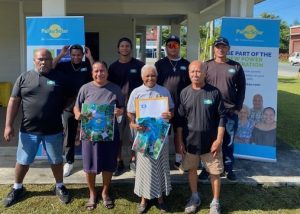
The proof of any new system is in its first implementation. In October, we launched a competition through our sister company, Palau Solar, for members of the public to vote for a community project that could benefit from a free solar installation.
The result: we have just commissioned a fully funded solar PV installation for the Apostolic Foundation Church in Koror, Palau.
Let’s measure the outcome, (as engineers do):
- Environmental output: A direct displacement of grid-sourced electricity with renewable generation. The carbon reduction is specific and calculable.
- Social output: A significant reduction in the church’s operational overhead. These savings can now be redirected into their local outreach programmes, providing direct aid to those in need.
- Community catalyst: Every resident who submitted a nomination received an incentive for their own home, encouraging broader renewable adoption.
The value chain is short, transparent and the positive feedback loops are localised and immediate.
The principles of the ‘Good Deeds’ framework
Utilligence’s “Good Deeds” model is structured on core engineering principles: tangibility, locality and efficiency. It represents a commitment to responsible business conduct that aligns with our technical expertise and delivers transparent, accountable results.
This isn’t a one-off charity project. It’s a strategic framework built on the same principles that guide our engineering work:
- Tangibility: We invest in physical, long-life assets—like solar panels—not intangible credits. The asset exists, performs and its benefits are measurable.
- Locality: The investment strengthens the social fabric of the communities hosting our businesses. It’s a direct contribution to local resilience which is desperately needed..
- Multiplier effect: Each project is designed to create secondary benefits, whether through community engagement, raising awareness, or incentivising further sustainable choices.
A more responsible way forward
For the Utilligence Group, seeing ‘good deeds’ in our community is a more authentic and responsible path. It aligns our environmental stewardship with our core competency: building practical, sustainable infrastructure. It allows our teams to see the direct impact of their work, and it allows our team and the community to see a clear line from corporate commitment, to community benefit.
We believe this represents a more robust model for responsible business. It’s less about offsetting and more about directly investing in a cleaner, more resilient future—one tangible, measurable good deed at a time.
“The carbon market, while well-intentioned, can be an abstract and imperfect mechanism,” said Ross Waddington, CEO of the Utilligence Group. “Our engineering ethos is built on precision, measurable outcomes and practical solutions. Our ‘Good Deeds’ framework embodies this. We invest directly in clear, durable assets—like renewable energy systems—where we can quantify the kilowatt-hours generated, the tonnes of carbon displaced, and the precise financial relief provided to a vital local institution. The impact is visible, verifiable, and vested in the community.”
We are immensely proud of our inaugural ‘Good Deeds’ campaign, and the Palau Solar team for their work in bringing this first initiative to life. And of course, we send our warmest congratulations to Pastor Helga and the Apostolic Foundation Church of Koror.